Island Park Cabin Photography: What Sells a Yellowstone Rental
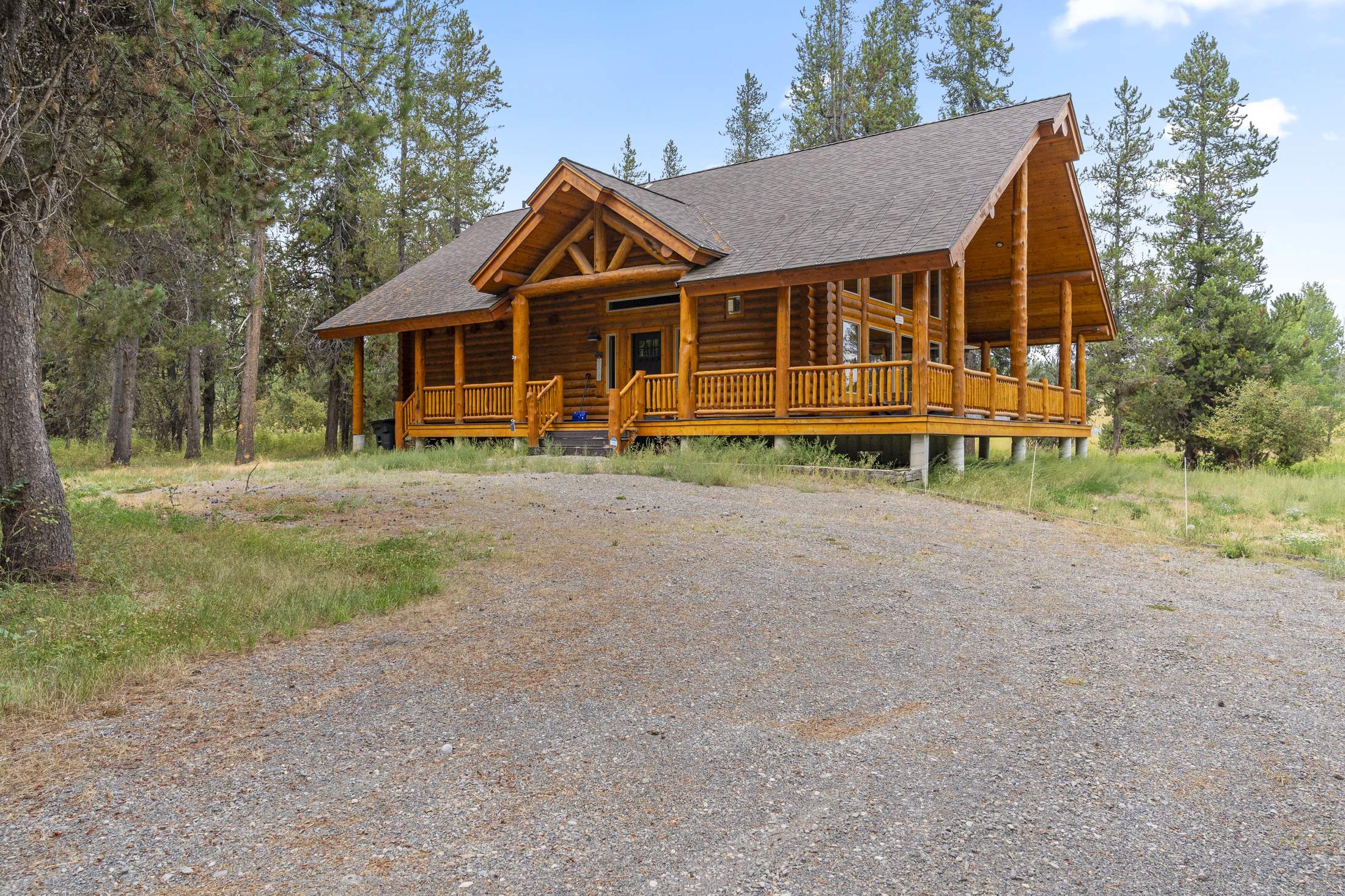
Island Park is a strange market. Vrbo alone lists more than a thousand cabins in and around the corridor from Last Chance to Henry's Lake, most of them owner-operated, and almost all of them competing for the same two seasons: the Yellowstone summer and the snowmobile winter. A guest scrolling that inventory on a phone sees a wall of brown log walls and green trees. The cabins that get booked are the ones whose photos answer three questions in the first swipe: where is this, what does it feel like inside, and what is it like at night.
In this guide
Context is the whole game: the drone shot
In Phoenix, a drone aerial is a nice add-on. In Island Park, it is the establishing shot that the entire listing hangs on. Guests are choosing a cabin by its relationship to things they cannot see from the driveway: how far to the West Yellowstone entrance, whether Henry's Lake or the Henry's Fork is within walking distance, whether the cabin sits alone in the pines or in a row of other cabins.
A single aerial frame answers all of that. It shows the cabin tucked into the trees, the road access, the water if there is water, and the sheer amount of space around the property. That last part matters more than hosts expect. A cabin on two acres photographed from the ground looks like a cabin. Photographed from 200 feet, it looks like privacy, and privacy is what a family of eight driving in from Salt Lake is paying for.
We bring drone gear to every Island Park shoot by default, because we have never met a cabin there that did not need it. If your current gallery has no aerial, that is the single highest-leverage photo you can add. Here is our longer take on when drone photography pays for itself.
Twilight with the lights on
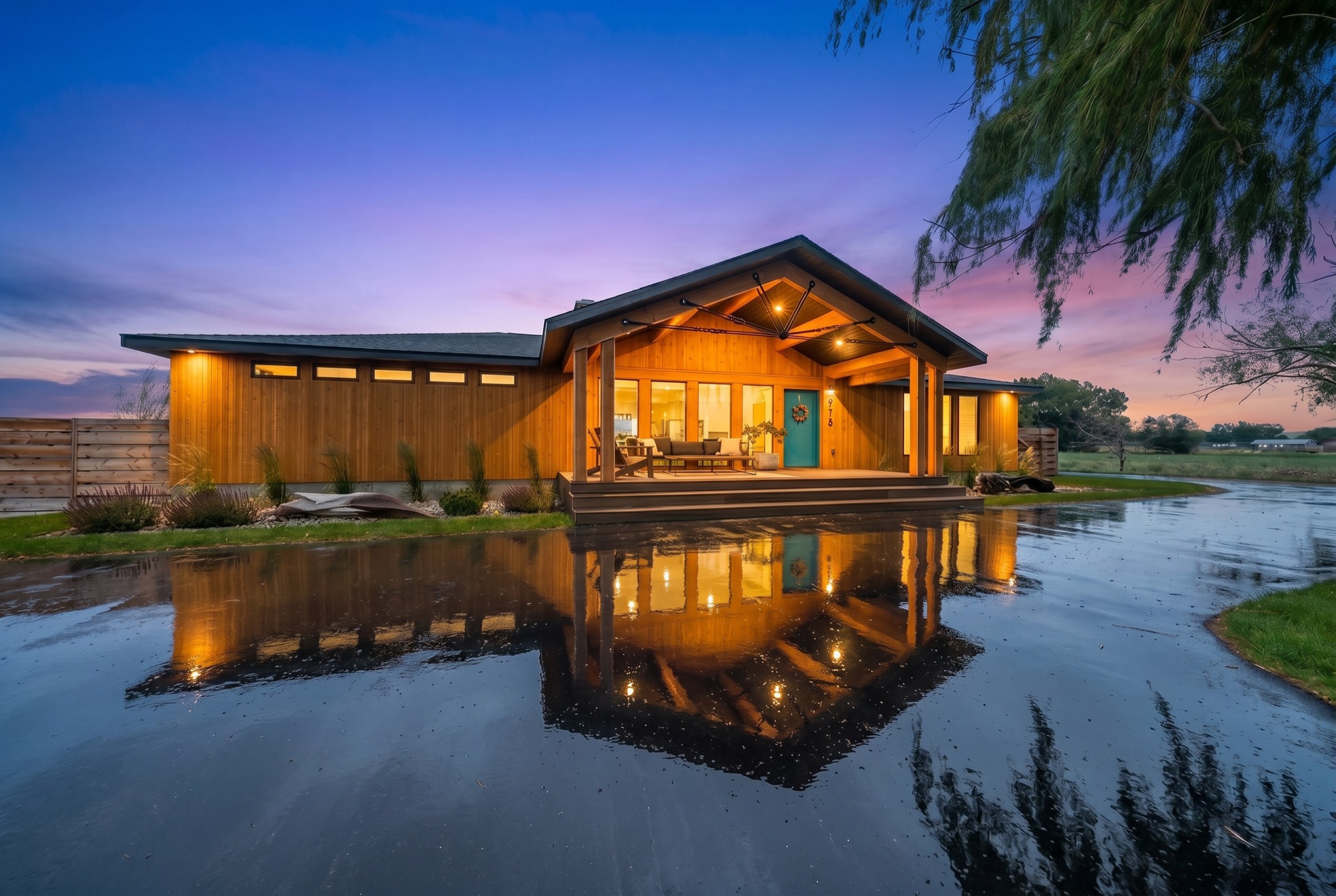
The second frame that separates a booked cabin from a browsed one is the exterior at dusk, every interior light on, the sky still holding some blue. Log walls glow at that hour in a way they never do at noon, and the windows turn into a preview of the evening the guest is imagining: dinner inside, cold outside, nothing to do but be there.
This is the shot people mean when they say a listing looks "cozy," and it is worth doing for real. A photographer stays through sunset, the host or cleaner turns on every lamp, and the exposure is timed to the ten-minute window when the interior warmth and the exterior sky are balanced. Island Park's long summer evenings make that window easy to hit. If a return trip at dusk is not practical, a re-lit daytime exterior is the fallback, and we are honest about the difference: it will never quite match the real thing on a log cabin, because the glow through the timber is what sells it.
Interiors that read warm, not dark
Log interiors are the hardest rooms in vacation rental photography. Timber ceilings eat light, the windows are small by modern standards, and a phone camera turns the whole room into a brown cave. The listings that lose bookings in Island Park almost always lose them on interiors that look darker and smaller than the cabin actually is.
The fix is technique rather than staging. Multiple exposures blended by an editor so the bright window and the dim corner both hold detail. A wide lens used from the right corner of the room so the great room reads as one continuous space from the kitchen to the fireplace. Color balanced so the wood looks like warm wood and not orange plastic. The result is a room a guest can picture eight people in, which is the entire reason they are renting a cabin instead of two hotel rooms in West Yellowstone.
Bunk rooms deserve their own frame. Half the groups booking Island Park are multi-family, and "how many kids can we put in the bunk room" is a real decision point. Shoot it clean, shoot it wide, and put the bed count in the caption.
One gallery, two seasons
Island Park sells twice a year. Yellowstone traffic runs roughly June through September. Snowmobile season runs December through March, and the cabins that are plowed, sledder-friendly, and close to the trail system fill up with a completely different guest. A gallery shot in July does a poor job selling January.
The practical answer is a two-part gallery. Lead with the current season, keep the other season's best frames further down, and swap the order twice a year. That is a five-minute edit in Airbnb or Vrbo, and it keeps the first photo relevant to whoever is looking right now. Hosts who only have summer photos should plan a short winter session: snow-loaded roofline, the cabin lit at dusk against the snow, the sled parking, the hot tub steaming. Those four frames carry the winter.
When to shoot in Island Park
The calendar decides more than the camera does. Summer galleries should be shot in June or early July, before the light gets hazy from fire season and while the grass is still green. Fall color in the aspens is short, often a week or two in late September, and it is the one condition you cannot reshoot later. Winter frames need real snow on the ground, which usually means late December at the earliest.
Book ahead. Island Park is about an hour from our Rexburg home base, weather and road conditions push some shoot days, and the pre-summer calendar fills fast. Hosts who want new photos live before the Yellowstone booking wave should schedule four to six weeks out. The same goes for a winter refresh before the December rush: shoot in October or November so the listing is ready when sledders start planning.
Where this applies beyond Island Park
Everything above holds for the rest of the Yellowstone back door. Ashton and the upper Henry's Fork are the same market with less competition. Teton Valley flips the seasons, with Grand Targhee winters and fly-fishing summers, but the drone-first, twilight-second logic is identical. And for hosts running rentals in town, Rexburg and Idaho Falls listings live on different frames entirely: the BYU-Idaho parents-weekend guest wants clean, bright, and trustworthy, not rustic.
Our full Southeast Idaho coverage, pricing, and online booking are on the Idaho page. Island Park itself has its own page with the destination pricing spelled out: Island Park cabin photography.
Island Park photography FAQ
How much does a cabin shoot in Island Park cost?
Island Park is a premium destination market. Packages run from $349 for a one-bedroom, with flat rates by bedroom count, unlimited photos, and 24-hour delivery. Drone and twilight are add-ons. Every total is shown on screen before you pay.
Do you photograph the winter season?
Yes, conditions permitting. Winter shoots are scheduled around road access and weather, and they are the most valuable session an Island Park host can book if the current gallery is summer-only.
How far ahead should I book?
Four to six weeks before the season you are selling. Pre-summer and pre-December calendars fill quickly, and fall color is a two-week window.
Do you cover Henry's Lake, Mack's Inn, and Last Chance?
Yes. The entire Island Park and Henry's Lake corridor, including Mack's Inn, Ponds Lodge, Last Chance, and the Henry's Fork tributaries, is inside our regular rotation.
Related reading
Ready for listing photos that book?
Booked Visual has shot 1,000+ properties across Arizona and Idaho. Island Park cabins are photographed from our Rexburg home base and delivered in 24 hours.
See Island Park pricing and book